
Dry Eye Treatment at Vinayaka Nethralaya
Relief from dry eye through accurate diagnosis & targeted treatment
Dry eye is a condition that many people dismiss as a minor irritation, yet for those who experience it regularly it can interfere significantly with reading, screen use, driving, and general daily comfort. The condition arises when the tear film — the thin protective layer covering the surface of the eye — is either insufficient in volume or unstable in quality. This leads to symptoms such as persistent dryness, a gritty or burning sensation, watery eyes, light sensitivity, and vision that fluctuates with blinking. The most common underlying cause is dysfunction of the meibomian glands, which produce the oily layer that prevents tears from evaporating too quickly. Because different causes require different treatments, accurate assessment of the type and severity of dry eye is essential before any management plan is put in place. At Vinayaka Nethralaya, each patient receives a thorough clinical evaluation before any treatment is recommended.
Clinical assessment of tear film and eyelid gland function
Clear, affordable consultation fees
Experienced ophthalmologist with over four decades of clinical practice
Dry eye assessment & diagnosis :
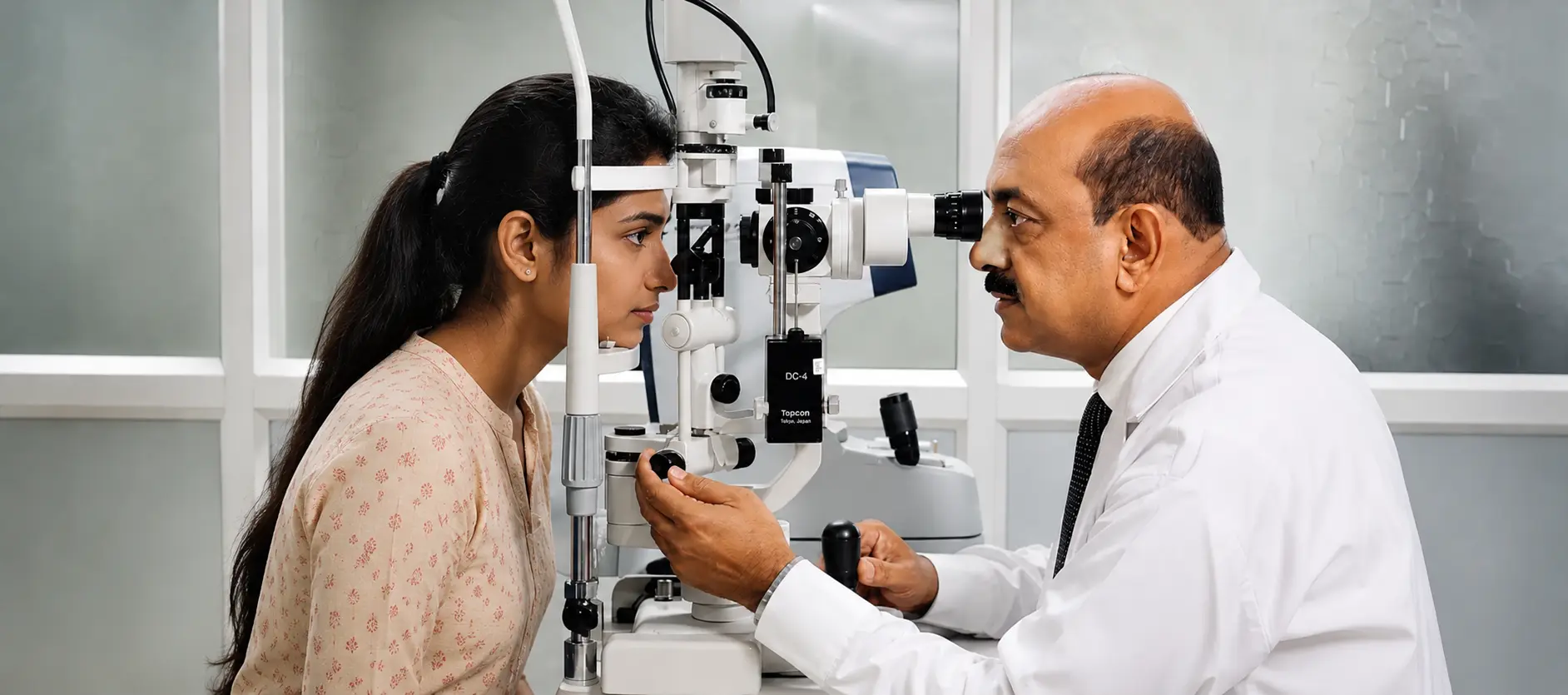
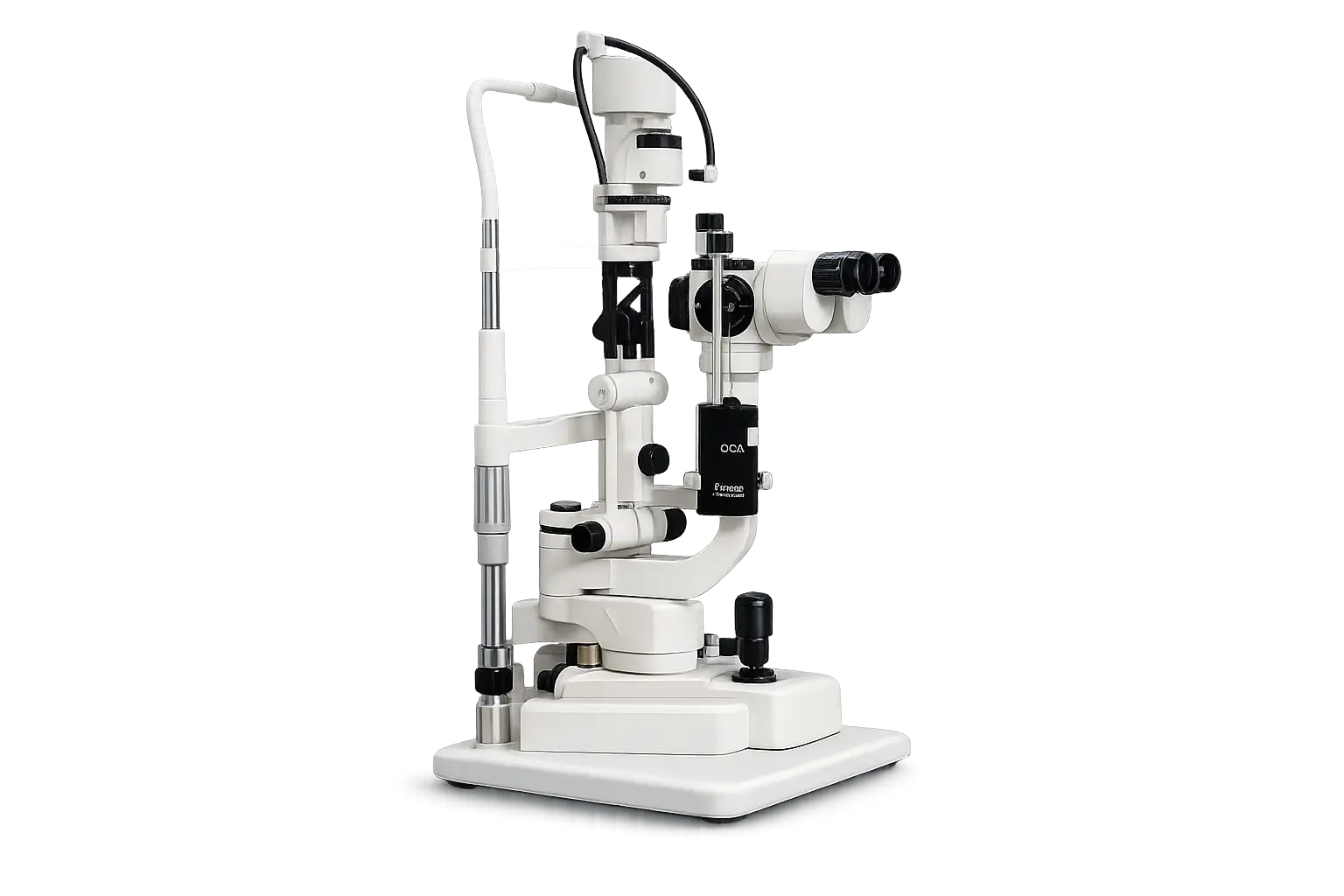
A detailed clinical history is taken at the outset — covering symptom pattern, duration, screen habits, contact lens use, current medications, and any relevant systemic conditions. This is followed by a slit-lamp examination of the eyelid margins, meibomian gland openings, tear film, and ocular surface. Tear break-up time, tear meniscus assessment, and ocular surface staining are carried out to measure tear film stability and identify any surface damage, providing the information needed to classify the type of dry eye and plan treatment accordingly.
Meibomian gland evaluation & tear film analysis :
In patients with persistent or more significant symptoms, a closer examination of meibomian gland structure and tear film composition is carried out. Infrared imaging of the eyelids allows the condition of the glands to be assessed directly, showing whether atrophy or blockage is present and to what degree. This level of detail guides treatment decisions more precisely than clinical observation alone and allows changes in gland health to be tracked over time during follow-up appointments.
Personalised dry eye treatment :
Treatment is guided entirely by the findings of the assessment. Evaporative dry eye arising from meibomian gland dysfunction is typically addressed through warm compress routines, lid hygiene, in-clinic gland expression, and omega-3 supplementation. Where aqueous tear deficiency is the primary issue, preservative-free lubricant drops of appropriate consistency are prescribed, and punctal occlusion may be considered to reduce tear drainage. For patients with more resistant or severe disease, anti-inflammatory therapy or other advanced treatment options are introduced as part of a stepwise management plan.
Ongoing monitoring & long-term management :
Dry eye is generally a long-term condition that benefits from structured follow-up rather than a single course of treatment. Regular review appointments allow tear film parameters and surface health to be reassessed and the treatment plan adjusted as needed. Patients are also guided on practical daily habits — including screen break routines, appropriate blinking exercises, and environmental factors such as air conditioning exposure — that can meaningfully support their ocular surface health between visits.
At Vinayaka Nethralaya, dry eye is approached as a condition that deserves proper investigation rather than a routine prescription for lubricant drops. A thorough initial assessment, a treatment plan built around the specific findings, and regular follow-up to monitor progress — this is the approach our team has applied to every patient since 1994. Whether your symptoms are mild and intermittent or persistent and disruptive, our aim is to identify what is driving the problem and address it directly.
What is included
Your complete dry eye care experience at our centre
Questions about dry eye treatment