

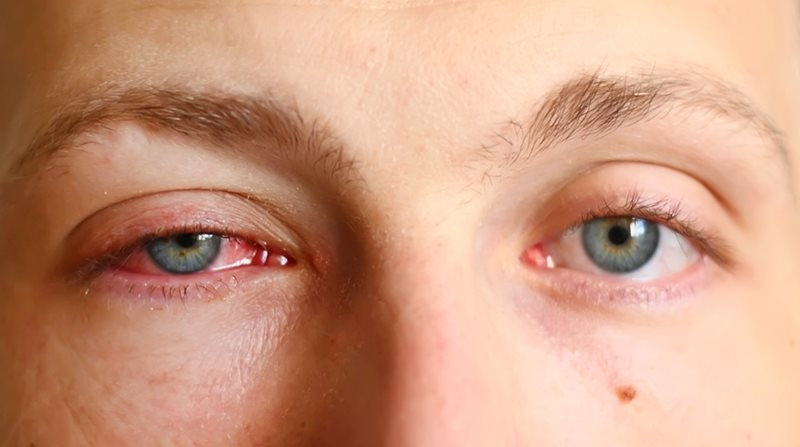
Allergic Eye Disorder Treatment at Vinayaka Nethralaya
Managing allergic eye conditions through precise diagnosis & targeted long-term care
Allergic eye disorders are among the most frequently encountered conditions in ophthalmic practice, yet they vary considerably in their nature, severity, and potential consequences for vision. At the milder end of the spectrum, seasonal allergic conjunctivitis causes itching, redness, and watering that follows a predictable pattern linked to pollen or other environmental triggers. At the more serious end, conditions such as vernal keratoconjunctivitis can involve the cornea and threaten vision if not managed carefully by an experienced specialist. Between these extremes lie several other distinct subtypes — each with different triggers, clinical features, and treatment requirements. Because no single approach suits all forms of allergic eye disease, accurate identification of the specific condition is the essential first step before any treatment is prescribed. At Vinayaka Nethralaya, every patient with suspected ocular allergy receives a thorough clinical assessment before a management plan is put in place.
Assessment and classification of all allergic eye subtypes
Clear, affordable consultation fees
Ophthalmologist with over four decades of anterior segment experience
Clinical assessment & allergy subtype identification :
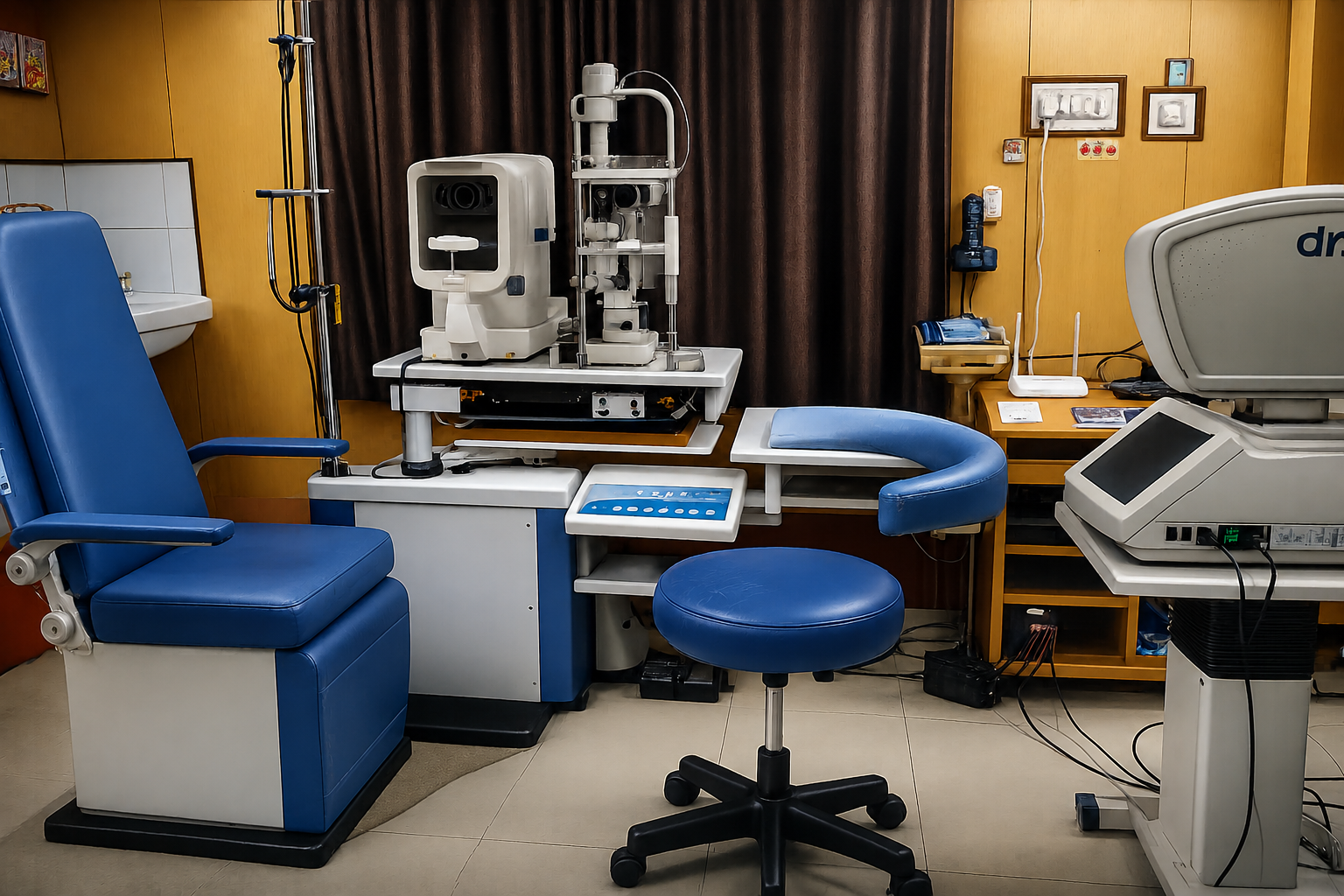
The initial consultation begins with a detailed history covering the nature and timing of symptoms, known allergies, associated conditions such as asthma or eczema, current medications, contact lens use, and relevant occupational or environmental exposures. A slit-lamp examination of the conjunctiva, eyelid margins, limbus, and cornea is then carried out to identify the specific features that distinguish each allergic subtype — such as the cobblestone papillae of vernal keratoconjunctivitis or the follicular reaction associated with other forms — allowing the condition to be accurately classified and the severity staged before treatment is selected.
Allergen identification & avoidance guidance :
Reducing exposure to the substance triggering the allergic response is a central part of managing any form of ocular allergy. Following assessment, patients receive practical guidance on identifying and minimising contact with their specific triggers — whether seasonal pollens, indoor allergens such as dust mite or animal dander, occupational exposures, or contact lens materials. Where further allergy testing is clinically appropriate, referral arrangements are made. For patients with significant or recurrent allergic disease, allergen immunotherapy is discussed as an option that addresses the underlying sensitisation rather than just controlling symptoms.
Medical treatment & pharmacological management :
Treatment is selected based on the allergic subtype and the severity of the current presentation. Mild to moderate seasonal or perennial allergic conjunctivitis is typically managed with topical antihistamine and mast cell stabiliser drops, lubricants to dilute surface allergens, and oral antihistamines where nasal or systemic allergy coexists. More severe or chronic conditions — particularly those involving the cornea — require a more intensive approach, including topical corticosteroids during acute flares and longer-term anti-inflammatory maintenance therapy. In complex or treatment-resistant cases, systemic immunosuppression may be introduced under careful specialist supervision to protect the corneal surface and prevent vision-threatening complications.
Corneal monitoring & structured follow-up :
Patients with more severe allergic conditions, particularly those involving the cornea, are placed on a structured follow-up programme with regular slit-lamp assessment to monitor surface integrity and check for early signs of complications such as corneal scarring or thinning. Intraocular pressure is monitored in patients receiving topical corticosteroid therapy. Patients are also educated on warning signs that should prompt an early unscheduled review, so that any deterioration is identified and addressed without delay rather than waiting for a routine appointment.
At Vinayaka Nethralaya, allergic eye disorders are assessed and managed with the same level of attention given to any other significant ophthalmic condition. Whether your symptoms are seasonal and mild or persistent and affecting your vision, the approach begins with understanding exactly what type of allergic disease is present before deciding how to treat it. Our team has been providing this standard of care to patients across Bengaluru since 1994 and remains committed to bringing each patient's symptoms under the best possible control while protecting their long-term ocular health.
What is included
Your complete allergic eye care experience at our centre
Questions about allergic eye disorders